Link shortening is everywhere these days. Whether you’re sharing a blog post on social media or sending campaign links in emails, you’ve probably run into the need to make those unwieldy URLs a bit more manageable.
But here’s the thing – not all URL shorteners are the same. Some methods just make your links shorter, while others can actually help build your brand and give you better data about how your campaigns are performing.
Why bother shortening links?
Let’s be honest – most marketing campaigns are planned out to the smallest detail. You know your target audience, you’ve crafted the perfect message, and you’ve mapped out the entire user journey. But then you get to the links, and suddenly it’s an afterthought.
Here’s what happens. You start with a long URL like this:
https://www.example.com/blog/content-marketing-tools-2024
Then your marketing team needs to track where clicks are coming from, so it becomes:
https://www.example.com/blog/content-marketing-tools-2024?utm_source=may-newsletter&utm_medium=email&utm_campaign=content-marketing-tools
Suddenly your clean, simple link looks like a mess. And while those tracking parameters are crucial for understanding what’s working, these long URLs create real problems:
- They break awkwardly in emails and social media posts
- They eat up precious character space, especially on Twitter
- People hesitate to click them because they look sketchy
- They completely distract from whatever message you’re trying to get across
It’s weird when you think about it. We spend so much time making sure our marketing isn’t generic or unbranded, but then we share these messy links that don’t represent our brand at all.
Key benefits of using a link shortener
Beyond just making your URLs look cleaner, the right link shortener can transform how you approach digital marketing:
- Better branding: Every shortened link becomes an opportunity to reinforce your brand name instead of promoting someone else’s URL shortener service.
- Detailed analytics: Track clicks, geographic data, device types, and referral sources to understand what content resonates with your audience.
- Improved click-through rates: Clean, branded short links can increase clicks by up to 39% because people trust links they recognize.
- Campaign tracking: Organize links by campaign, add UTM parameters automatically, and measure performance across different channels and social media platforms.
- Link management: Edit destinations after publishing, add team notes, and keep all your marketing links organized in one place.
- Professional appearance: Short links look cleaner in emails, social media posts, and even on business cards with QR codes.
Flexibility: Update where links point without having to republish across multiple channels – perfect for time-sensitive campaigns or fixing mistakes.
Your two options: Generic vs branded URL shorteners
When you need to shorten a link, you basically have two choices for URL shortening services.
Generic URL shorteners
These are the ones most people know – services like Bitly or TinyURL. Rebrandly also has a free plan that lets you use our generic link shortener. They’re often considered the best free URL shortener options because they don’t cost anything upfront. You paste in your long URL and get back something random like rebrand.ly/xyz123.
They’re fine if you just need something quick and free, but they come with downsides:
- The short links don’t mention your brand at all
- You get basic analytics at best
- Users might not trust clicking on them
- You’re essentially promoting someone else’s brand instead of your own
Branded link shorteners
This is where things get interesting. Instead of
rebrand.ly/xyz123,
you get yourbrand.com/winter-sale.
You’re using your own branded link attached to a custom domain, which changes everything:
People actually click them more: Studies show branded short links get 39% more clicks because people trust links when they can see who’s sharing them.
You get real data: Track every single click with details about when, where, and how people are interacting with your links.
Every link builds your brand: Instead of wasting that link space, you’re reinforcing your brand name every time someone sees it.
You stay in control: Edit where links go without having to reshare them, add notes for your team, organize everything by campaign.
Better security: When you own the custom domain, you control who uses it. You won’t get lumped in with spammers using the same generic link shortener.
QR code integration: Many branded URL shorteners also let you generate QR codes for your short links, making it easy to bridge offline and online marketing.
How to shorten a link with Rebrandly
Rebrandly is one of the best URL shortening services for businesses that want branded links. You can do this either through the website or with a Chrome extension – whatever works better for your workflow.
Using the Rebrandly website:
- Sign in to your Rebrandly account and click “new link”
- Paste the long URL you want to shorten
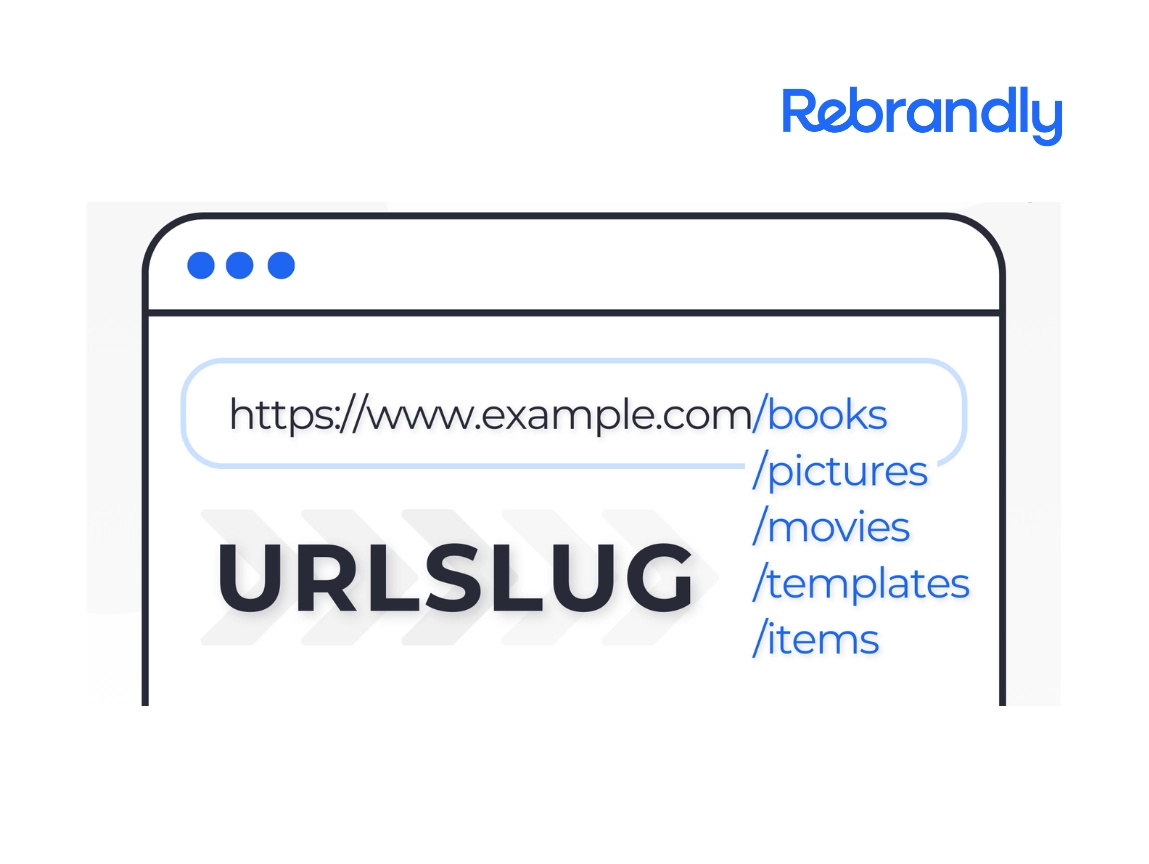
- Choose your custom domain and customize the “slash tag” (that’s the part after your domain)
- Click “create link”
- Add notes, tags, or retargeting scripts if you need them
- Copy your new branded link and you’re done
Using the Chrome extension:
- Install the extension so the icon shows up in your browser
- Go to whatever page you want to create a link for
- Click the Rebrandly icon in your toolbar
- Your link gets created automatically using your default custom domain
- Copy and share
Some quick tips:
- Make your slash tags actually mean something (
yourbrand.com/winter-saletells people where they’re going) - Stay consistent with how you name things so you can track social media campaigns properly
- Use Rebrandly’s UTM builder to add tracking parameters without making a mess
- Save your UTM settings as presets so you don’t have to recreate them every time
- Always test your links before you start sharing them everywhere
- Generate QR codes for your short links when you need to connect print materials to digital content
Which URL shortener makes sense for you?
It really depends on what you’re trying to accomplish.
Stick with a generic URL shortener if:
- You just need to shorten something quickly and don’t really care about the other stuff
- Brand recognition isn’t important for what you’re doing
- You don’t need detailed analytics
- You’re watching every penny and need the best free URL shortener option
Go with a branded link shortener if:
- You’re running any kind of marketing campaign
- Brand consistency actually matters to you
- You want to understand how your social media links are performing
- You’re trying to build trust with your audience
- You share links regularly as part of your job
- You need QR codes for offline marketing materials
Making the right choice for your needs
Link shortening isn’t just about saving characters anymore. It’s about creating a better experience for people clicking your links while giving yourself better tools to understand what’s working.
If you’re just shortening the occasional link for personal use, the best free URL shortener tools work fine. But if links are part of how you do business – whether in email campaigns, social media marketing, or even print materials with QR codes – branded URL shortening services give you real advantages in trust, tracking, and brand building.
Once you start using a custom domain for your links, you can collect actual data about clicks, improve your email and social media performance, and tie together your online and offline marketing in ways that weren’t possible before.
It comes down to this: do you see links as just a necessary part of digital life, or as another opportunity to strengthen your brand every time someone sees them?
Want to see what branded links can do for your:
- Email campaigns
- Social media marketing
- SMS marketing
- Online and offline marketing integration
Ready to make your links work harder? Every link you share is a chance to build your brand and gather better data about what resonates with your audience.